

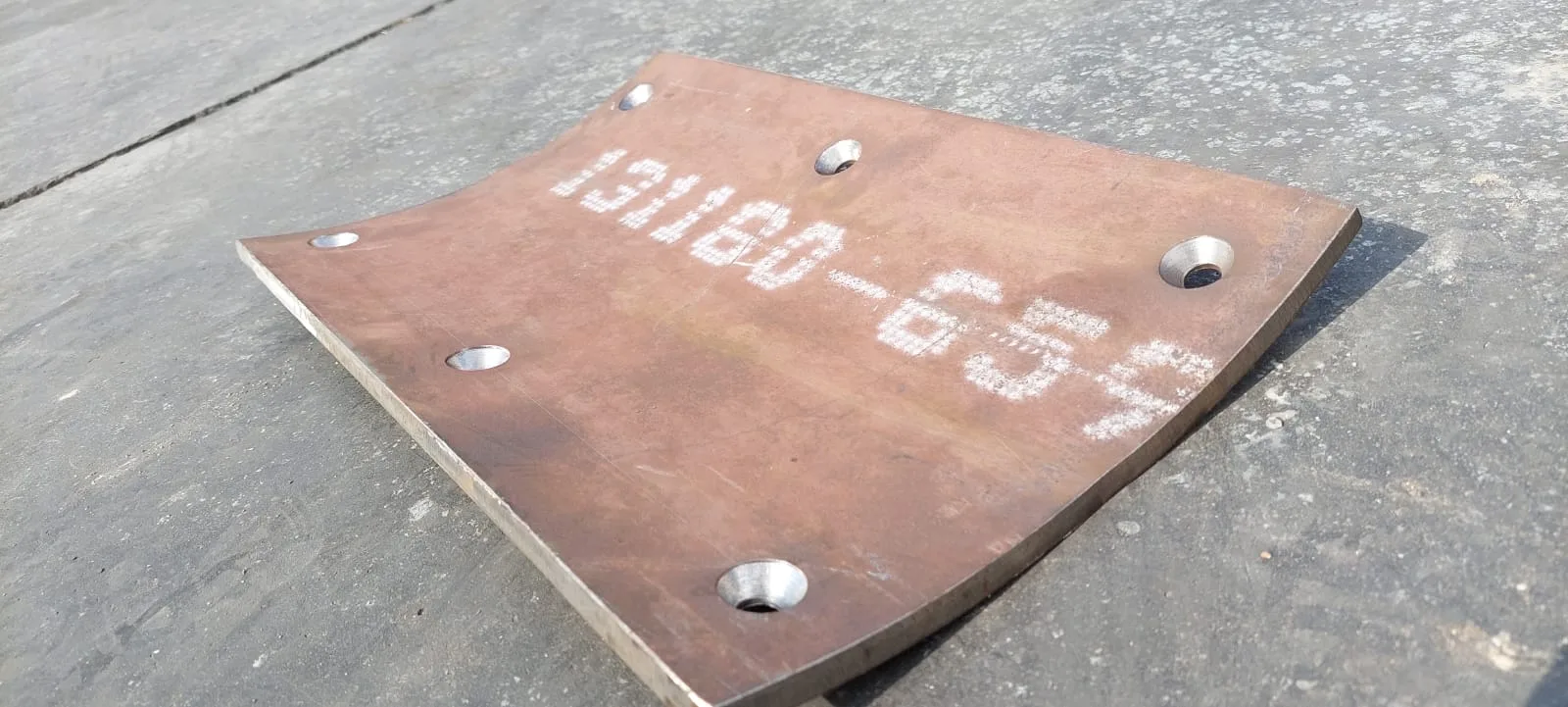
Machines that move rock, sand, or scrap need a shield. That shield is often a steel wear plate. Soft steel behind the plate is the expensive part. The wear plate is meant to take the hits and get thin first.
People search for this when the same spot needs fixing again and again. The question sounds simple: when do you replace the plate?
Signs the plate has stopped doing its job
Early signs look like normal work:
- The same corner or floor needs weld patches every stop
- Soft steel behind the plate starts to show shine or thin spots
- Rock hangs up where the plate edge lifts or warps
- Nobody knows how thick the plate still is
If the plate is there to protect the machine, and you keep fixing the same place, the plate has already failed its job. You just have not scheduled the swap yet.
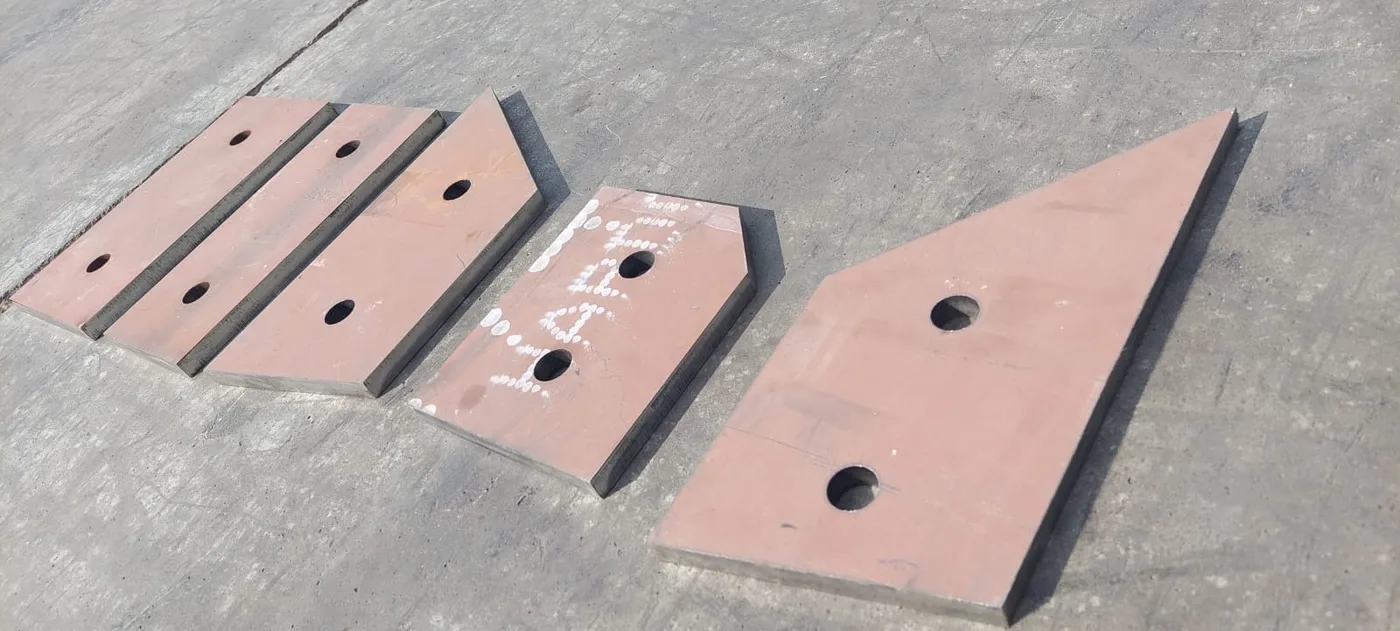
Four fixes compared
Soft patches
A soft weld can close a hole for a short time. On a wear face, that weld often thins faster than the plate around it.
Thicker soft steel
Buys time. Soft steel still wears the same way under rock and sand.
Hard steel wear plates
Shops can cut, bend, and bolt or weld Hardox® to fit. It lasts longer than soft steel in many rock and sand jobs. It is also easier to repair in the field than ceramic.
Ceramic or carbide faces
These can last a long time when fine dust slides with few big rock hits. They are harder to fix on site. Big impact can crack them.
Many machines use a mix. Hard steel on most faces. A harder face only where wear is worst.
How thick should the plate be?
There is no one magic number. Thickness should leave a safe leftover when you plan to change it. Plants often set a minimum leftover thickness and change the plate before the soft steel behind it gets hurt. If you wait until a hole opens, you may damage the frame. That costs more than the plate.
Thicker is not always smarter. A thick plate that is too hard for the hits can crack. A thinner hard plate on a strong backing can outlast a thick soft plate.
What to send for a quote
- Photos of the thin spots before you cut anything out
- Notes on leftover thickness
- Shape and hole pattern, or a sample
- What hits the plate: rock, sand, scrap, wet mix
- Whether you change only the worst plates or a full set
Grade picks by duty
- Hardox® 450 when the plate must bend and take mixed hits
- Hardox® 500 when sliding rock already ate softer plate too soon
- Hardox® 500 Tuf when you need hard and tough in one plate
Questions we hear
Why does rock eat steel so fast?
Hard grains scrape and hit the same path over and over. Soft steel cannot keep up.
Do I change all plates or only the thin ones?
If access is hard and downtime is costly, many teams change a full set. If access is easy, change the worst faces first and watch the rest.
Is harder always better?
No. Too hard with big rock hits can crack. Match the grade to the job.
What should I measure?
Leftover thickness on the wear path, hole pattern, and how the plate mounts.
What matters most
- Set a minimum leftover thickness and change plates before the backing steel pays for it.
- Match hardness to the hits, not to the biggest number.
- Repeat patches on the same face mean the plate is already late.
Talk about wear-plate replacement
Related reading: quarry liners page and Hardox® 450 / 500 grade notes.