
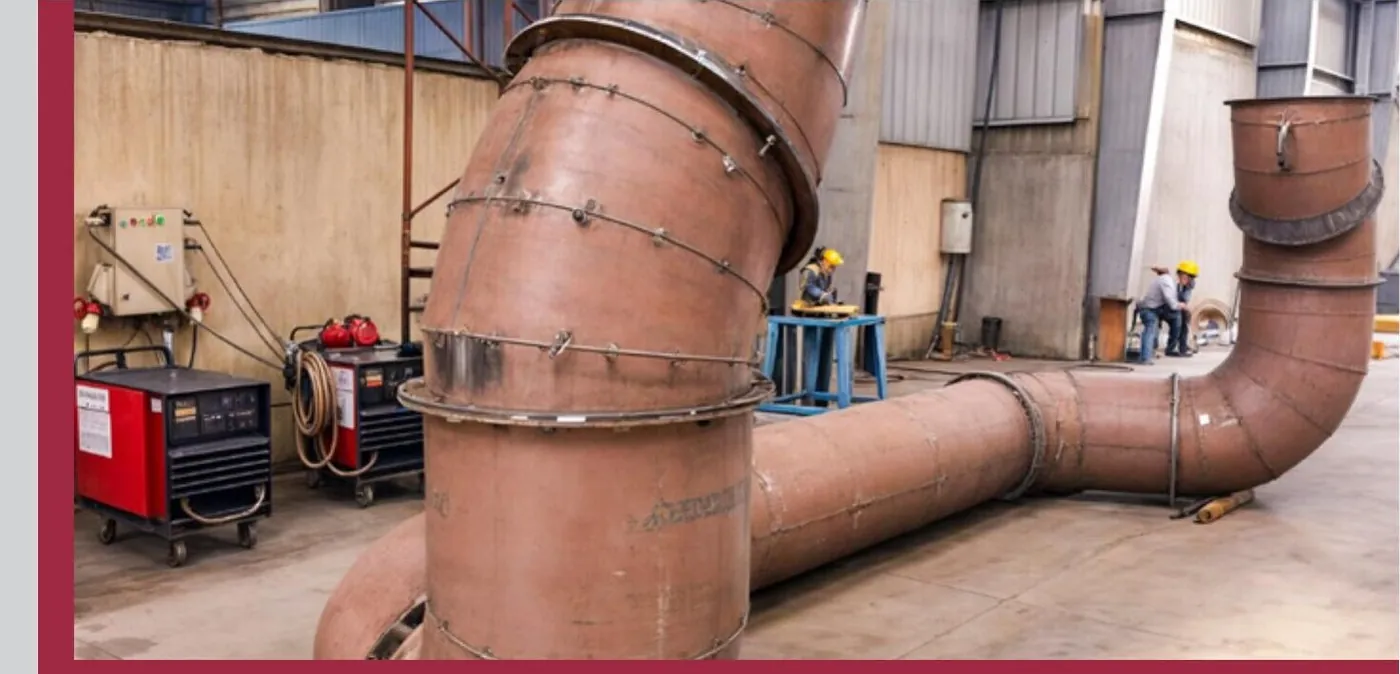
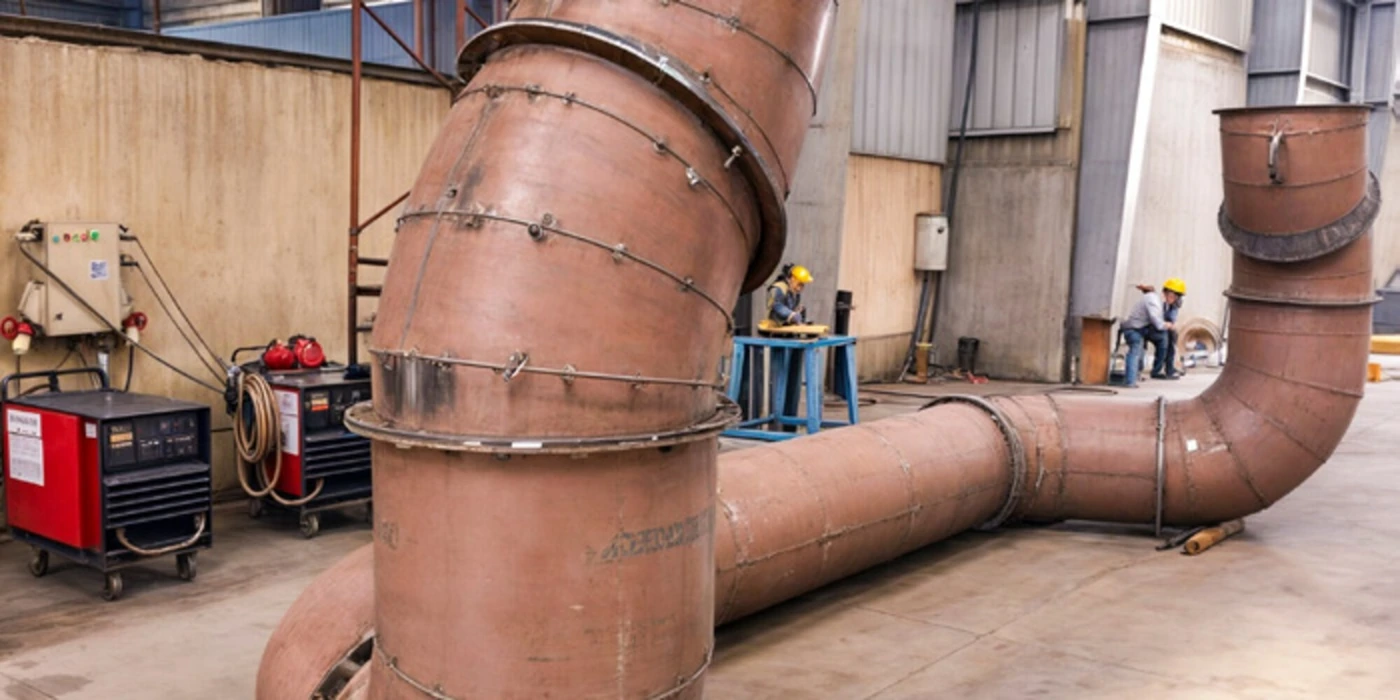
What we fabricate
Eight industries we cover most often from the BSF shop in Alexandria, Egypt. Open one for grades, the wear job, and what we fabricate.
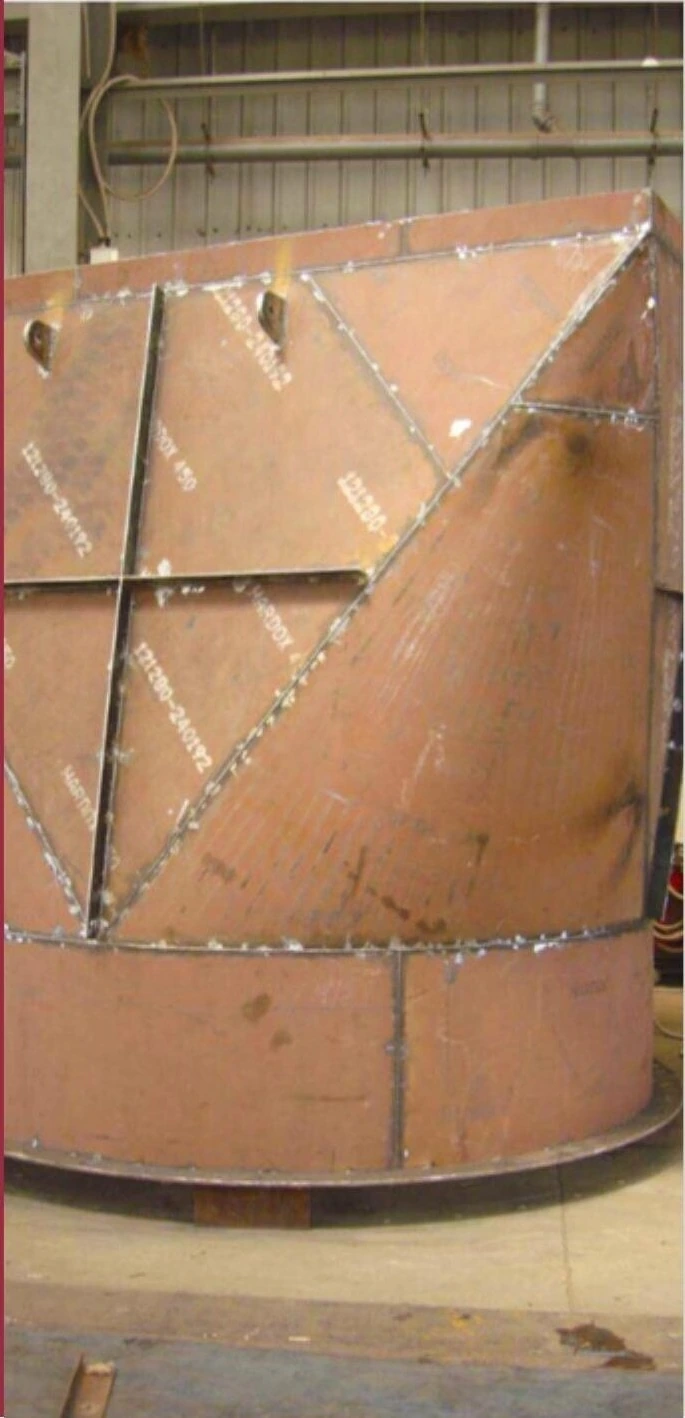
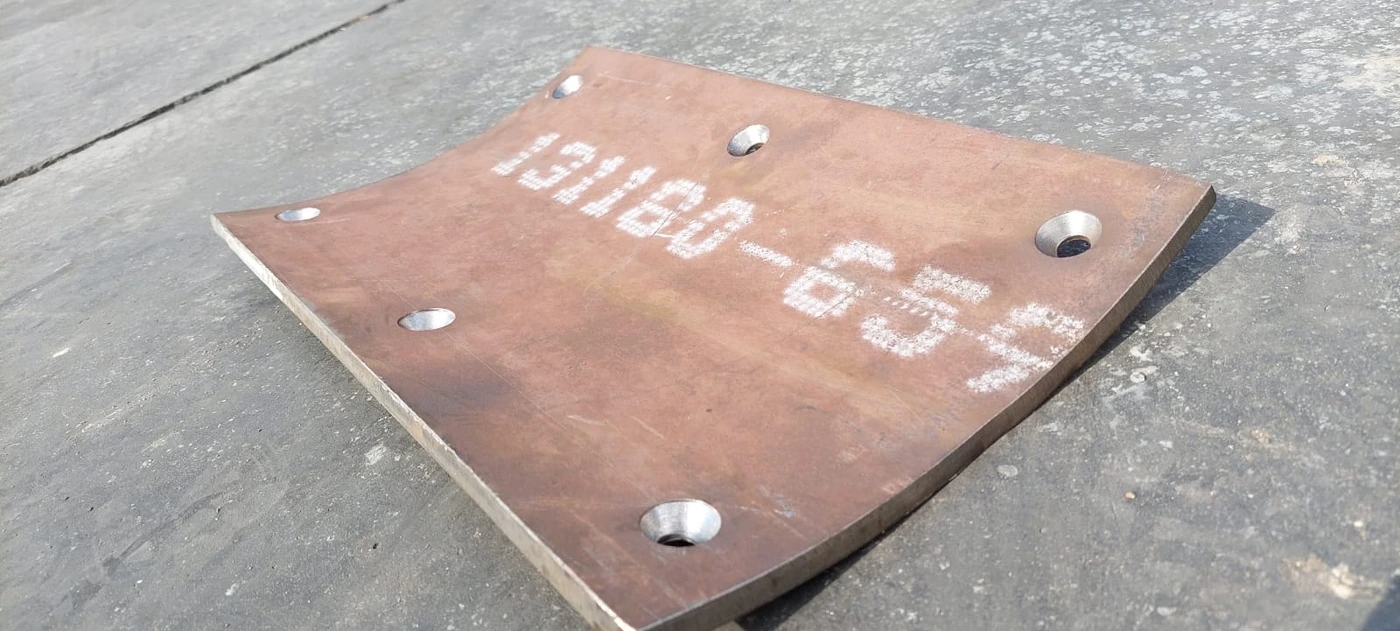
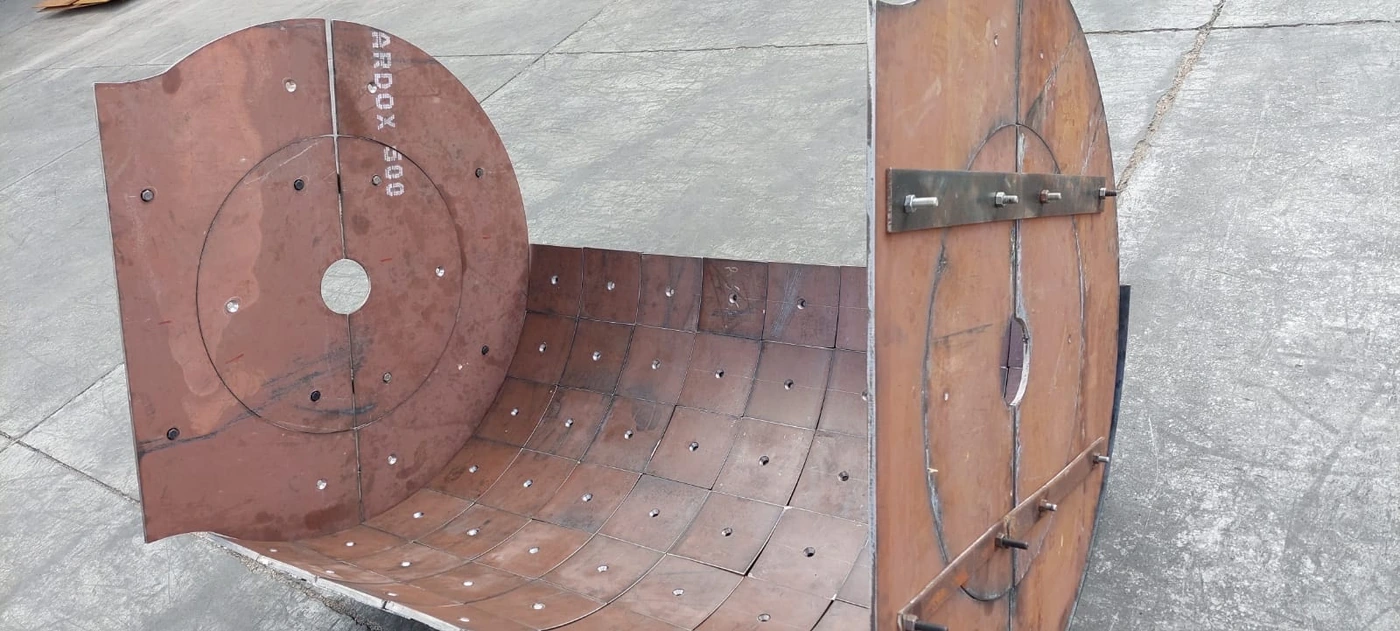
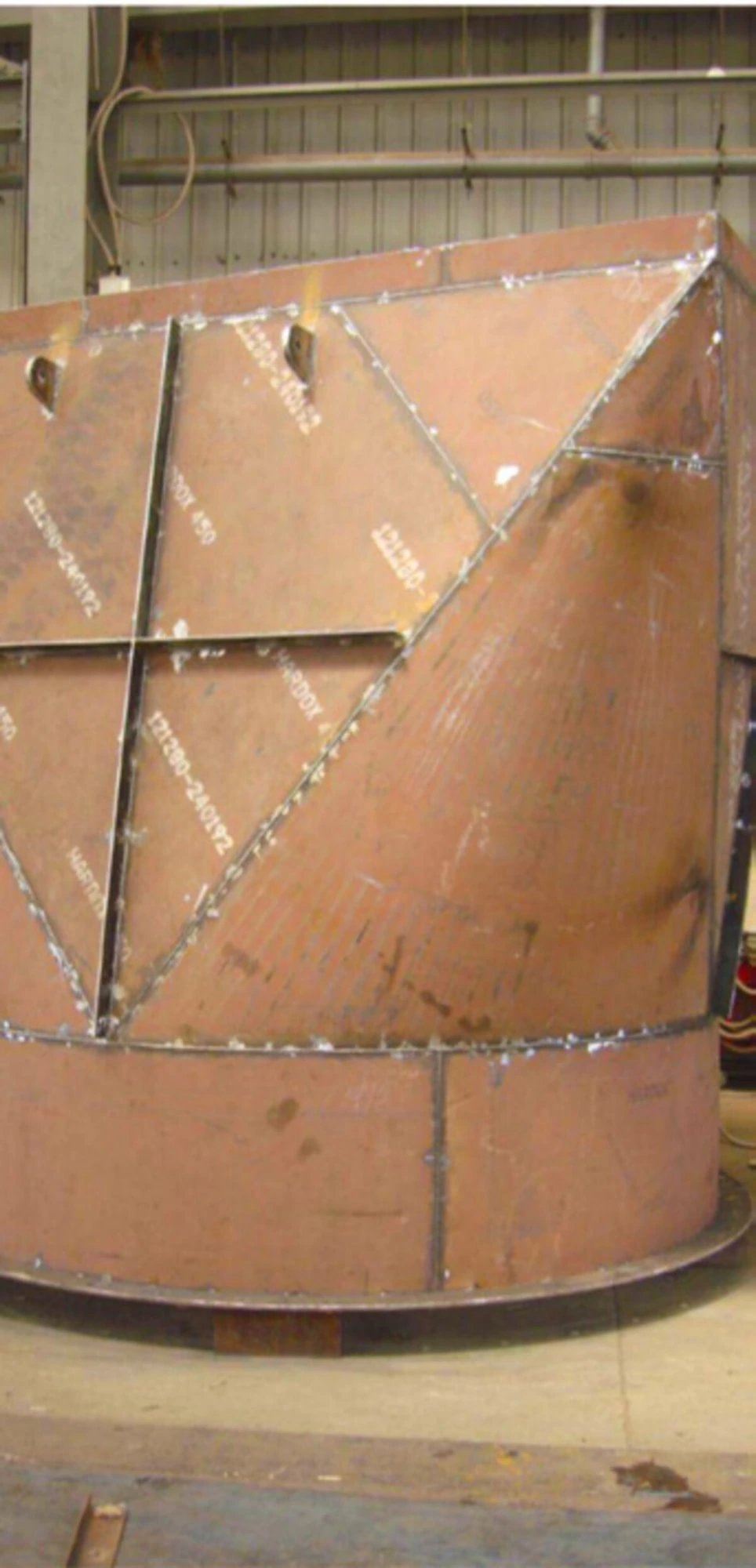
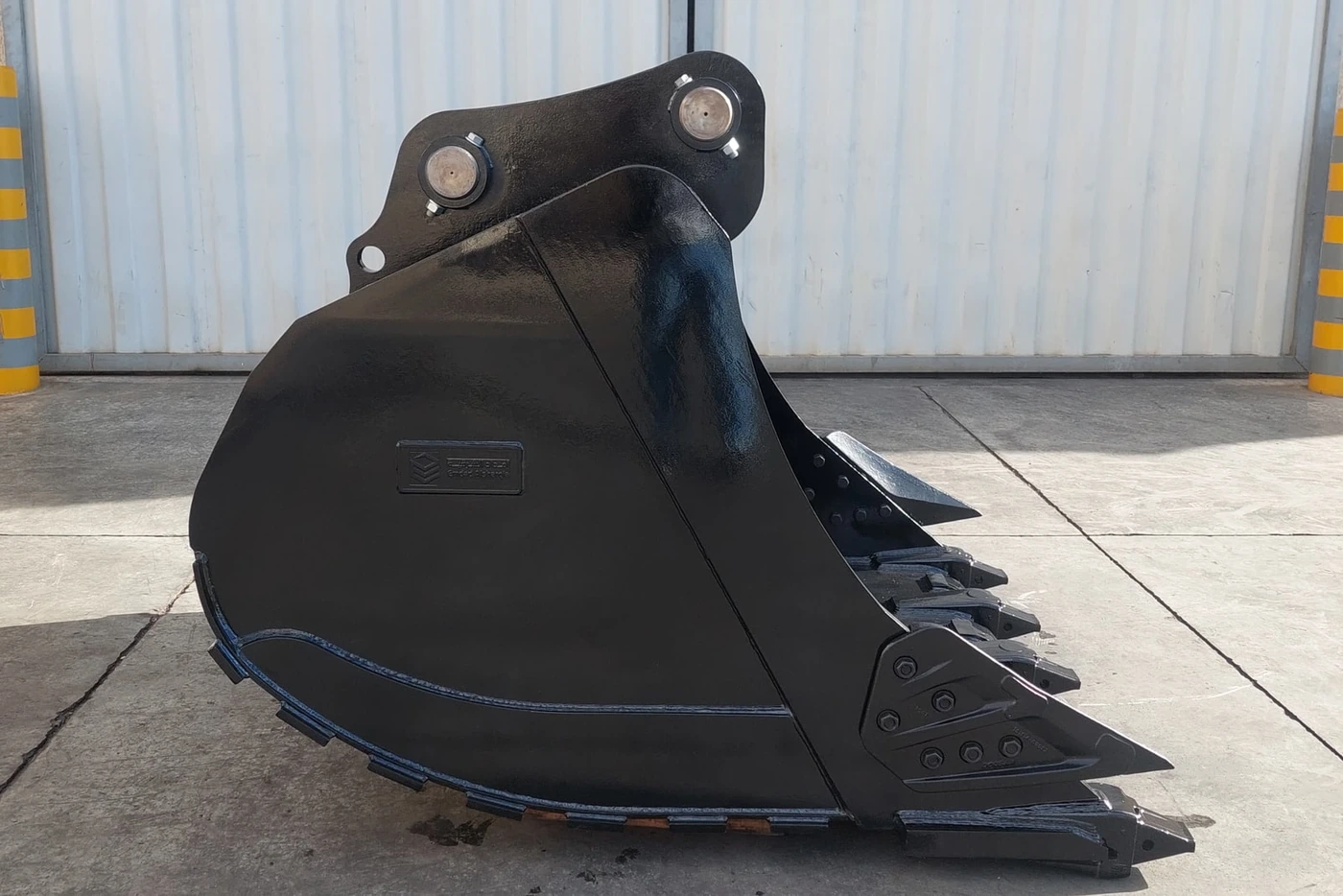
2016 BSF recognized as Hardox® Wearparts center in Alexandria, Egypt
Why Hardox
We use genuine Hardox wear plate in conformity with SSAB quality standards. Claims below are from SSAB and Hardox Wearparts published material.
- Hardox® 400
- General-purpose wear resistance
- Hardox® 450
- Hardness and toughness for impact and abrasion
- Hardox® 500
- Higher hardness for severe abrasion
- Hardox® 500 Tuf
- Strength, hardness, and toughness in one plate
- Hardox® HiAce
- Wear steel for corrosive environments
- Hardox® HiTuf
- High toughness for extreme impact
Hardox wear plate is the leading abrasion-resistant steel, hard through and through, from surface to core.
SSABHardox Wearparts centers are the only wear solution experts in the world to be certified by SSAB.
Hardox Wearparts / SSAB25× increased service life possible with Hardox Wearparts solutions vs conventional materials.
Hardox Wearparts
Common questions
Plain answers for buyers who are new to wear plate or Hardox®.
What is wear plate steel used for?
Wear plate is steel made to survive sliding abrasion and impact: liners, buckets, chutes, dump bodies, screens, cutting edges, and similar parts that fail first on industrial equipment. It is not the steel you use for building frames or bridges.
What are the main uses of Hardox® steel in construction?
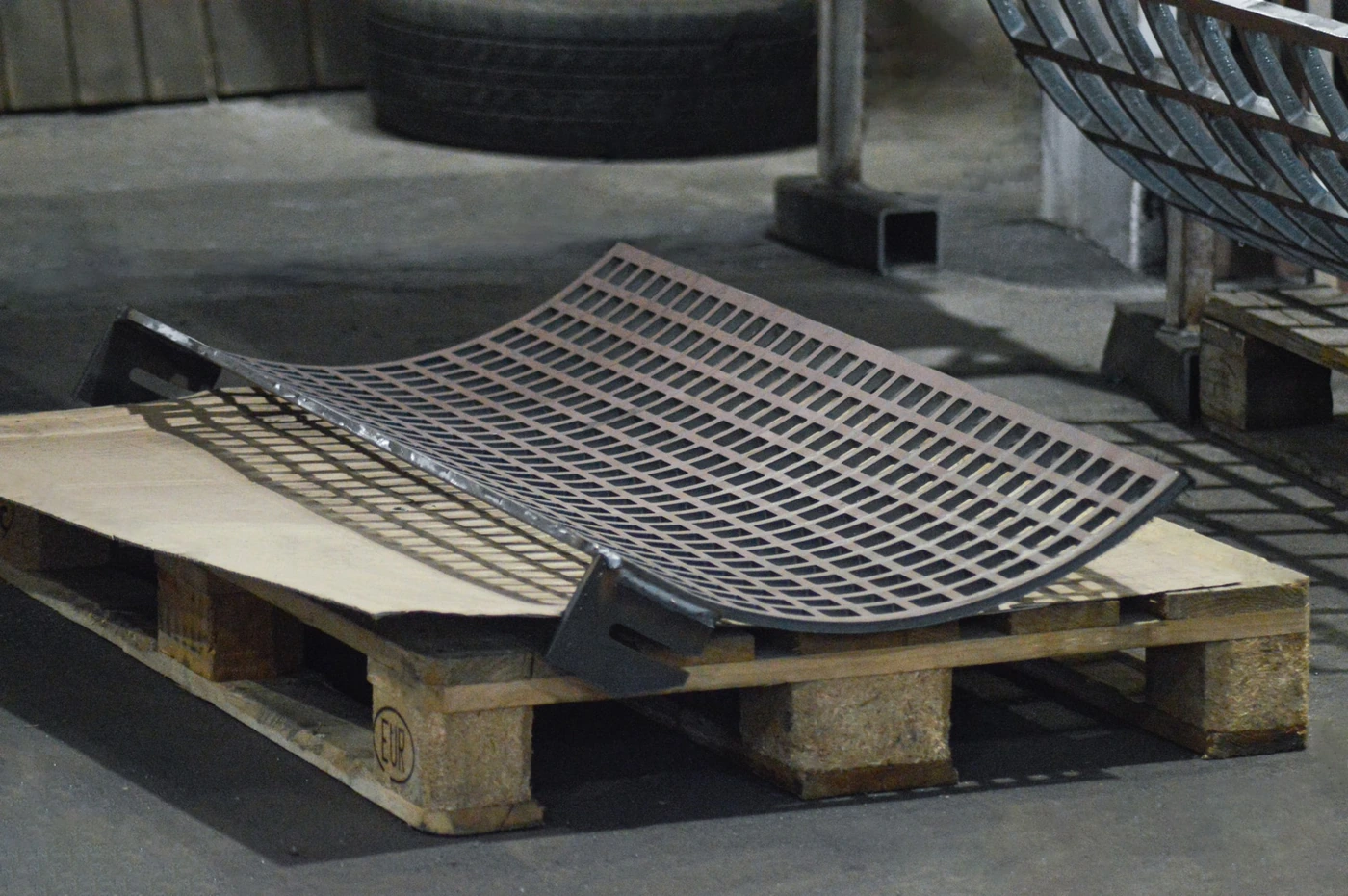
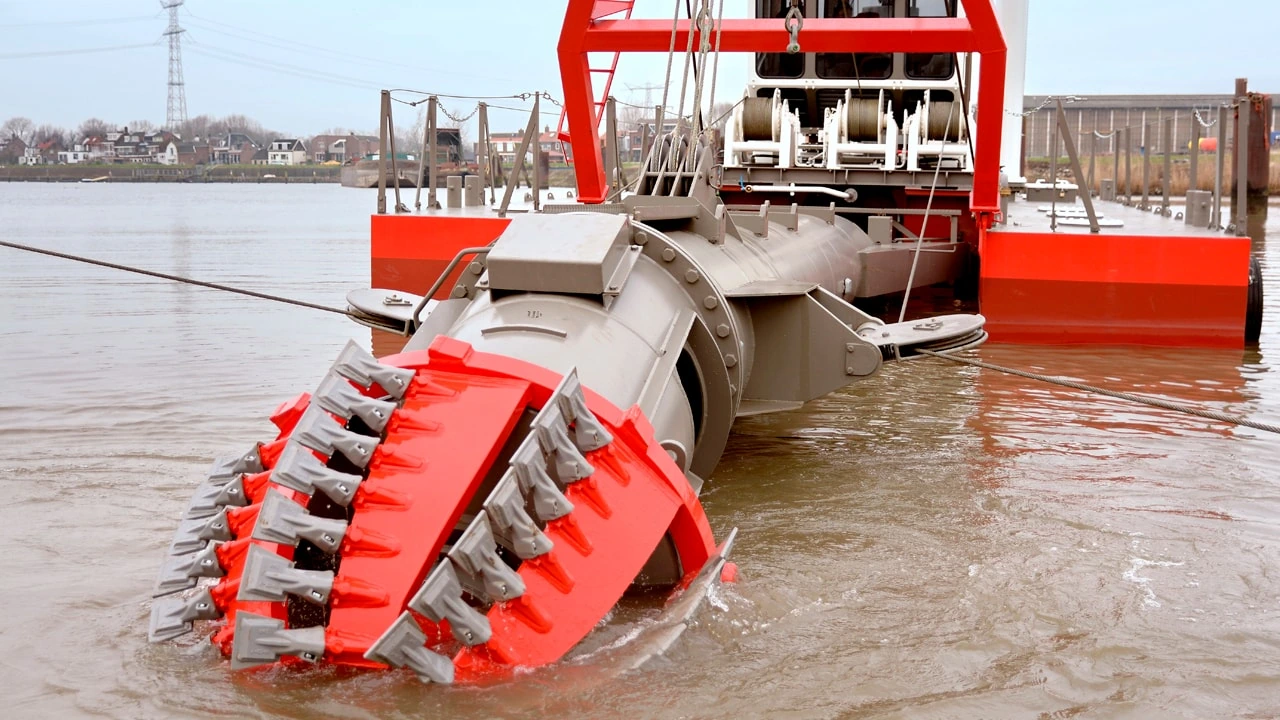
On construction equipment: excavator and loader buckets, tipper and dump bodies, cutting and base edges, and repair patches on used attachments. Related work includes quarry liners, cement ducts, and recycling knives and screens.
Where can I buy Hardox® steel plates in Egypt?
BSF is an official Hardox® Wearparts center in Alexandria, Egypt. We supply genuine Hardox® plate and fabricate finished wear parts from it. Contact us with the grade, thickness, and size you need, or request a quote for a finished part.
What makes Hardox® different?
Hardox® is SSAB®'s abrasion-resistant steel. It is hard through the plate (SSAB®: core hardness at least 90% of surface hardness), and still tough enough to cut, bend, and weld in a workshop. Grades cover different mixes of hardness and toughness for abrasion, impact, heat, or corrosive duty.
How does Hardox® compare with other wear-resistant steels?
Mild steel wears faster in abrasive duty. Many AR plates are surface-hard only. Hardox® is through-hardened and sold with guaranteed workshop properties from SSAB®. Hardox® Wearparts materials cite increased service life vs conventional materials when the part is designed and built correctly.
How do I choose the right wear plate thickness?
Thickness depends on how hard the material hits the part, how long you need between changeouts, and whether a thinner harder plate can save weight. Send duty details or an existing sample. BSF helps match grade and thickness to the job.
What thickness options are available for Hardox® steel?
Hardox® plate and sheet cover a wide thickness range by grade (SSAB® program from thin sheet under about 1 mm on some products up to thick plate around 130-160 mm on others). Exact stock and lead time for Egypt jobs: ask BSF for the grade you need.
How is wear-resistant steel welded?
Hardox® is designed to be workshop-friendly. Many jobs weld with common processes when you follow SSAB®'s welding guidance on consumables, heat input, and preheat by thickness and grade. BSF welds Hardox® in-house for fabricated parts. For detailed procedures, use SSAB®'s welding documentation.