

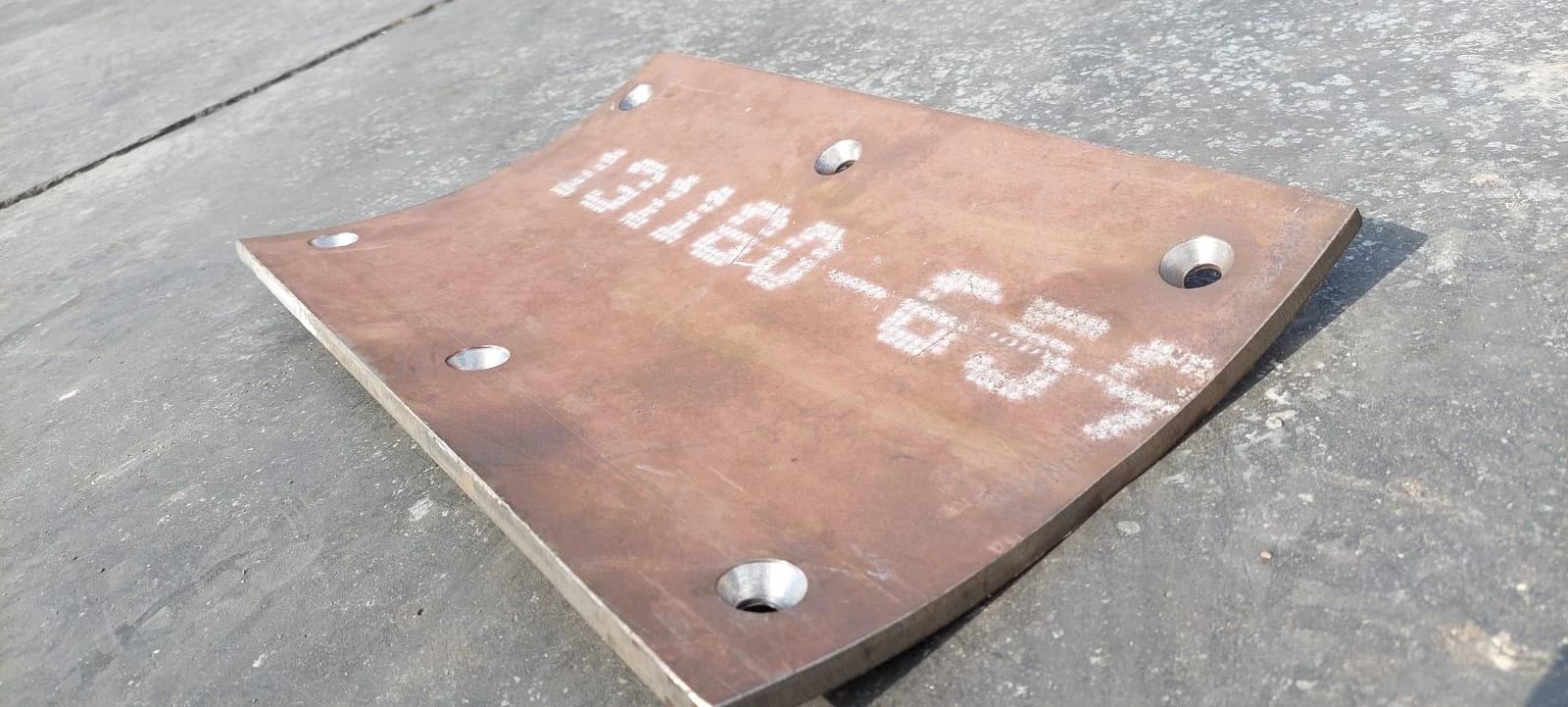
People ask this a lot: should this part be Hardox® 450 or Hardox® 500?
The wrong call costs you twice. Too soft, and the part wears out early. Too hard for the job, and you fight cracks, hard bending, or extra plate cost you did not need.
Hardox® is hard steel made to fight wear. The number is about how hard the plate is. Higher usually lasts longer when rock, sand, or dust slides across it. Toughness and how easy the plate is to bend or weld still matter.
Start from the part, not the number
You may only know the part keeps failing. Soft steel thins. Edges tear. Patches crack. You are not sure if “harder” is the fix.
Start with two facts:
- What hits the part: sand, rock, scrap, dust, wet mix?
- How it fails: wears thin, dents, cracks, or tears at the edge?
Those two answers point to the grade better than a catalog slogan.
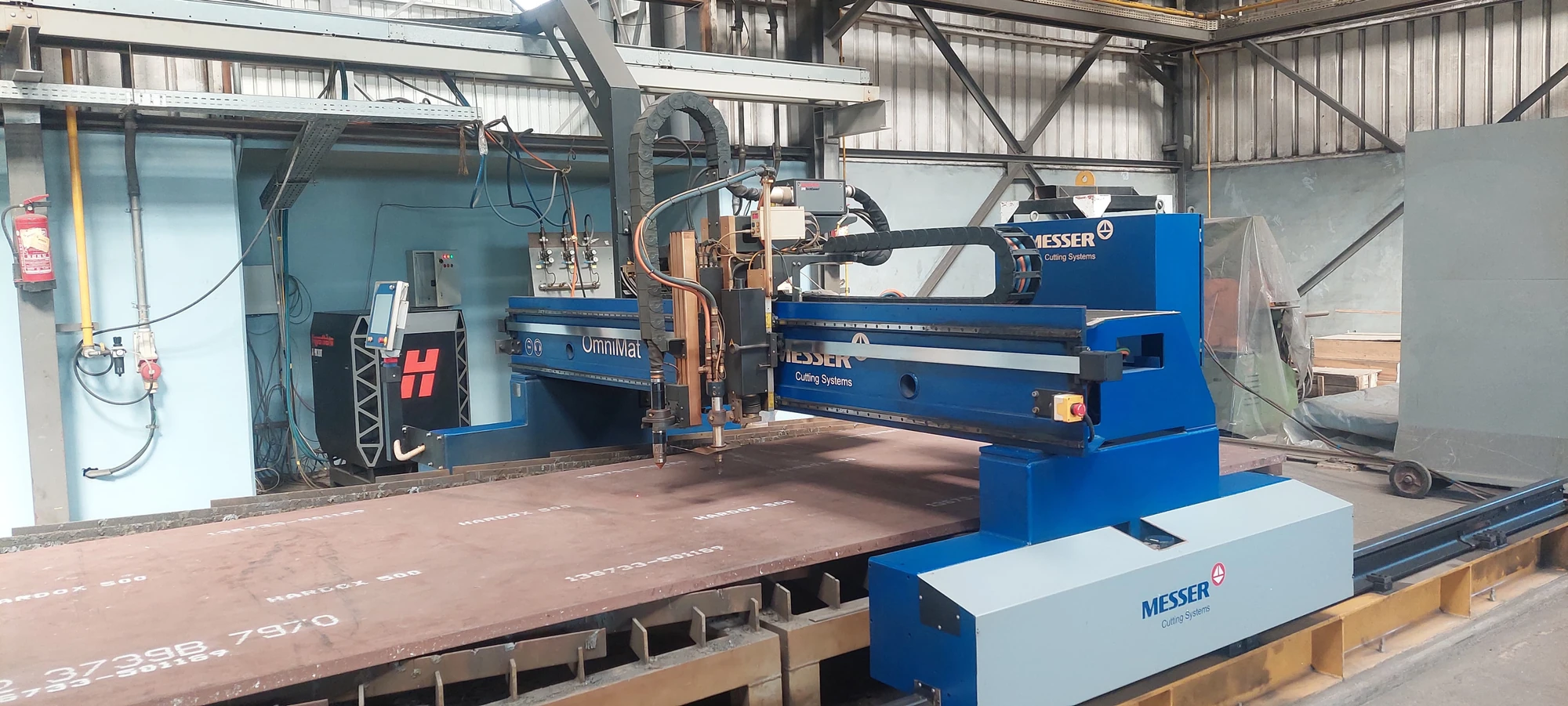
When each grade wins
Choose Hardox® 450 when
The part takes wear and hits. Or the shape needs more bending and welding.
Common fits:
- Buckets and rebuilds that must take load and wear
- Hoppers and dump bodies with mixed hits
- Pipe and chute parts with moderate wear
- Jobs where the plate must bend a lot
Choose Hardox® 500 when
Sliding wear is the main enemy, and big impact is under control.
Common fits:
- Severe liner and chute wear in hard, sharp rock
- Screen decks and high-wear contact zones
- Edges and wear bars that soft steel eats fast
- Zones that already failed early in soft steel or softer hard steel
Choose Hardox® 500 Tuf when you need both
Hardox® 500 Tuf keeps high hardness with more toughness. SSAB® positions it for buckets, tippers, and structural wear parts that must take hits and last. If a standard 500 cracks in service, ask about 500 Tuf.
A short path to the right grade
- Name the abrasive.
- Name the failure.
- If wear wins and impact is low, lean Hardox® 500.
- If impact and bending matter as much as wear, lean Hardox® 450.
- If you need both, look at Hardox® 500 Tuf or a mixed build.
Bring photos, a machine model, or a sample. Grade and thickness should follow that package, not a guess.
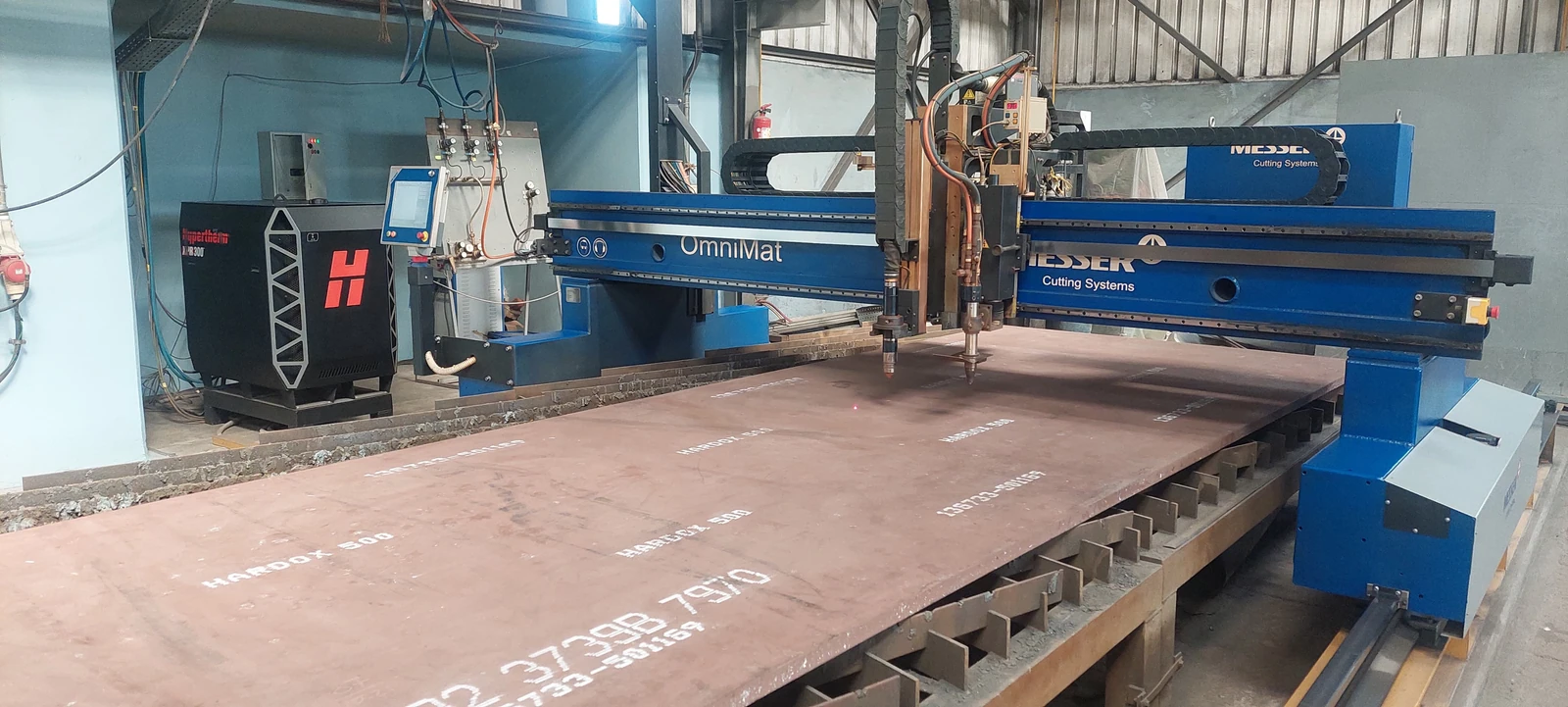
Quick answers
What do 450 and 500 mean?
They sit near 450 and 500 on the Brinell hardness scale. Higher is harder.
Is 500 always better?
No. Harder can crack under heavy hits. It can also be harder to bend and weld.
Can one machine use both?
Yes. Many builds put harder plate only on the worst wear zones.
What should I send for advice?
Photos of the used part, what material it handles, and how it failed.
The short version
- Hardox® 450 for parts that take hits and need bending or welding.
- Hardox® 500 for sliding wear that eats softer plate too soon.
- Hardox® 500 Tuf when one plate must carry load and resist wear.
- Unsure? Name the abrasive and the failure. The grade follows from them.
Ask which Hardox® grade fits your part
Related reading: Hardox® 450 and Hardox® 500 grade pages, plus liners, buckets, and ducts.