

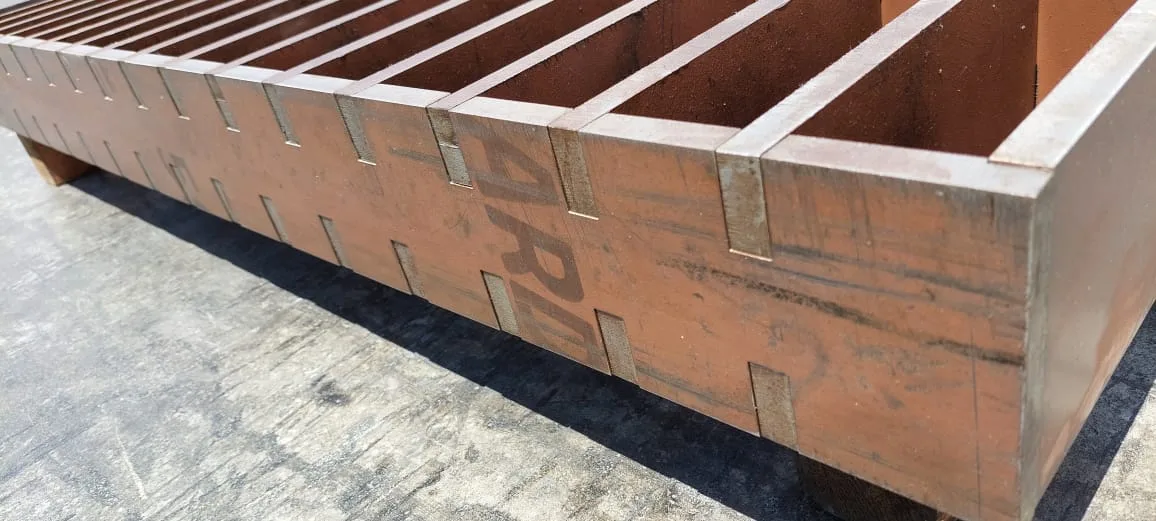
Screens, hammers, and knives sit where material is crushed, cut, or sorted. Soft steel does not last long there. Holes get bigger. Edges get dull. The machine still runs. The output gets worse.
Which part wears out first, and when should you change it? Scrap lines, rock plants, and sorting machines all hit this.
How the machine tells you first
The machine often warns you before a full stop.
- Output looks bigger or rougher than before
- Screen holes look wider than when they were new
- The machine shakes more than it used to
- Hammers or knives look rounded, chipped, or uneven
- You keep changing screens, but the problem returns fast
Used hammers can hurt screens. Dull edges make material bounce longer inside the machine. That extra rubbing opens screen holes faster. Fixing only the screen treats the symptom.
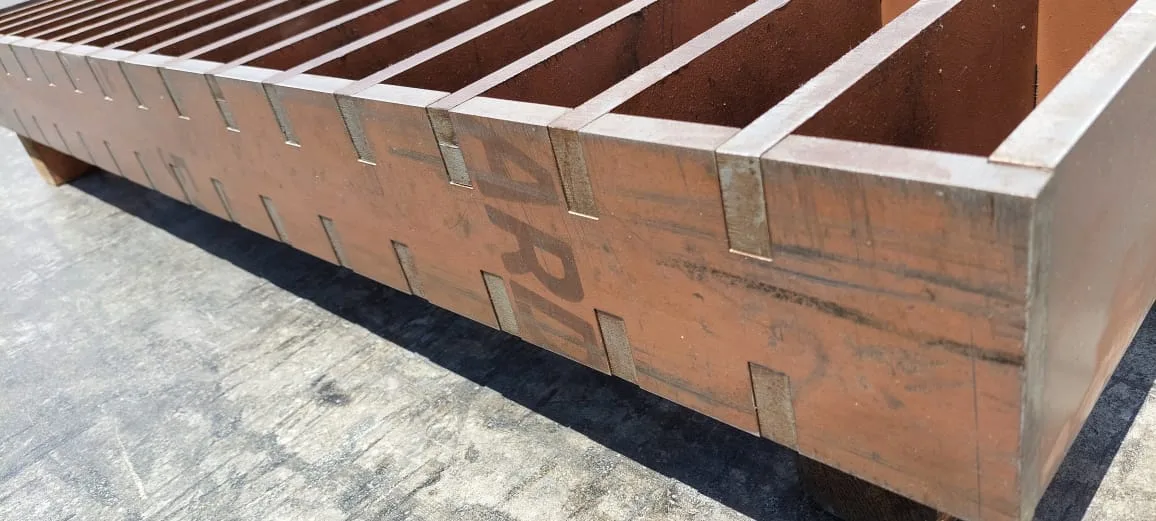
Where the wear lands
Think in three groups.
Screens
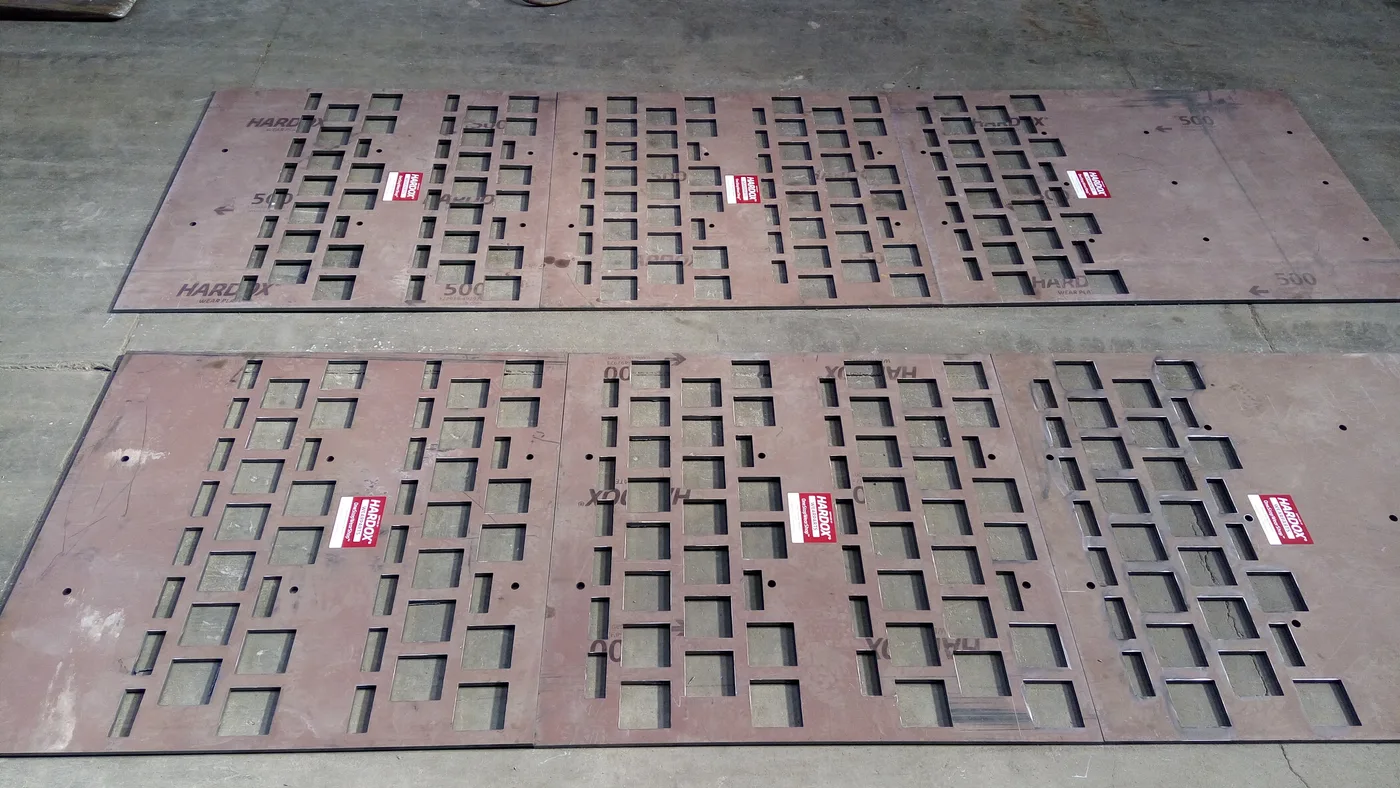
Every piece of material that leaves must pass a hole. Screens take steady rubbing. Fine holes often wear faster. Soft steel screens open up soon in abrasive scrap or rock.
Hammers
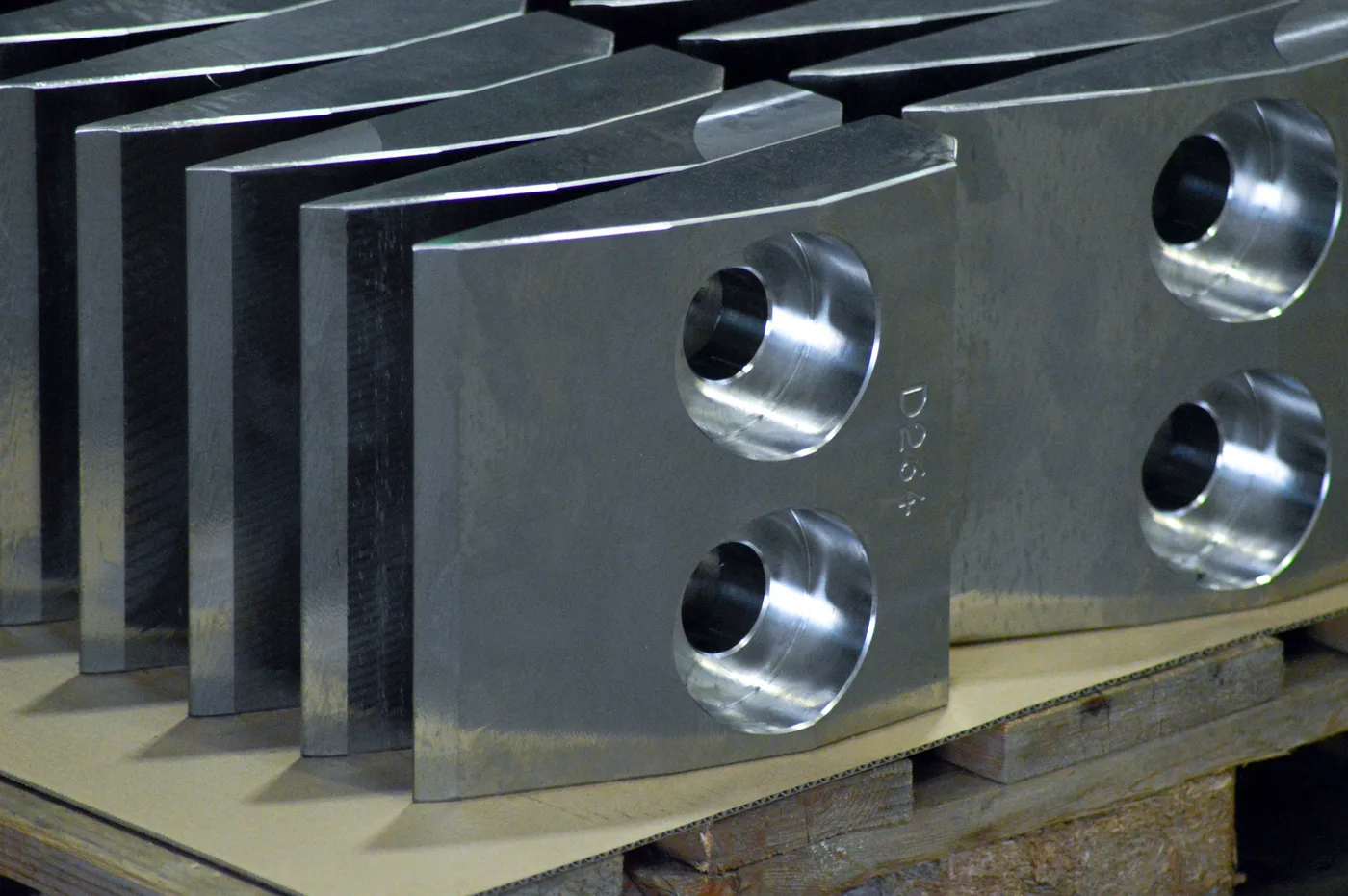
Hammers hit material again and again. Tips lose shape. Weight can become uneven across the set. Uneven hammers can cause shake. Shake then stresses screens and mounts.
Knives and cutters
Knives need a sharp, hard edge. Soft steel dulls fast on scrap, cable, wood, or plastic mixes. When the edge is gone, throughput drops and heat and vibration can rise.
Soft steel vs hard steel
Soft steel is cheap on day one. It often costs more in stops. Shops cut screens, hammers, and knives from Hardox® to match the machine you already run.
Harder grades fit severe sliding wear. Tough grades fit heavy hits. The wrong hard grade can chip. Match the part to the job.
What to check, in order
- Look at hammers or knives for shape loss and uneven wear
- Look at screen holes for growth, cracks, and thin bars
- Listen and feel for new vibration
- Decide if you change one part or a matched set
Change a full hammer set when several pieces are past useful shape. Mixing heavily used and new hammers can keep the rotor uneven. Change screens when holes no longer hold product size, or when cracks start at hole edges.
What to include when you order
- Photos of the used screen, hammer, or knife
- Hole pattern or a sample for screens
- Machine make and model when you have it
- What you process: scrap, rock, wood, cable, mixed waste
- Whether wet conditions also cause rust
Grades that hold up here
- Hardox® 450 or Hardox® 500 for many screens
- Hardox® 500 and harder grades for severe hammers and high-wear screens
- Hard knife work may need even harder plate. Confirm the duty before you lock the grade
Troubleshooting FAQs
Why do screens wear out so fast?
Every particle rubs the holes. Abrasive scrap and rock open those holes over time.
Why does product get coarser?
Used hammers hit less well, and used screens let bigger pieces through.
Should I change hammers and screens together?
Not always. Inspect both. Worn hammers often explain screens that die early.
Is soft steel okay for a short run?
It can work for light duty. In abrasive scrap or rock, soft steel usually means more stops.
Before you order
- Rougher product, wider holes, and new shake point to wear before the machine stops.
- Worn hammers often kill screens early, so inspect the set together.
- A full hammer set beats mixing old and new on one rotor.
Talk about screens, hammers, or knives
Related reading: recycling screens page and Hardox® 500 / 600 grade notes.